
Crochet bags, Shoulder Bag

Why Crochet Bags Deserve a Spot in Every Maker's Portfolio
There is something deeply satisfying about carrying a bag you made with your own hands. Crochet bags have surged in popularity because they offer a rare combination of practicality and artistry. Whether you are heading to the market, meeting friends for coffee, or simply running errands, a handmade crochet bag turns every outing into an expression of your creativity. If you have been curious about crafting your own crochet bags, this guide will walk you through everything from choosing materials to finishing touches that make your piece look professional.
Shoulder bags, in particular, are a fantastic starting point for crocheters who want to create something both functional and stylish. They are forgiving in terms of sizing, versatile in design, and adaptable to any yarn weight or hook preference. I have seen so many makers fall in love with the process once they hold their first finished shoulder bag in their hands. The weight of it, the texture of the stitches, the way it drapes on your arm, it all feels incredibly rewarding.
Choosing the Right Yarn for Your Crochet Bags
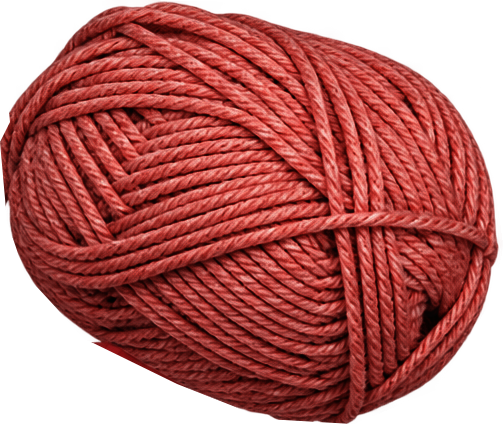
Yarn selection is one of the most important decisions when making crochet bags. The yarn you choose directly affects the drape, durability, and overall look of your finished piece. For shoulder bags, I recommend medium-weight yarns that offer a nice balance between structure and softness. Cotton blends are excellent choices because they hold their shape well and feel substantial without being too stiff.
If you want a more textured finish, consider a wool or acrylic blend. These yarns tend to have more grip, which means your stitches will stand out more prominently. On the other hand, if you prefer a smoother, more polished look, a sleek cotton or bamboo yarn will give you that refined appearance. Experimenting with different yarn weights is part of the fun. You might find that a lighter weight yarn creates a more delicate bag, while a heavier weight yarn produces something bold and structured.
When selecting colors, think about where you plan to use the bag. Neutral tones like beige, cream, or soft gray work beautifully for everyday versatility, while vibrant hues or multicolor yarns can make a real statement. Many crocheters enjoy blending two or three complementary colors to create visual interest without overwhelming the design.
Hook Size Considerations
The hook size you choose should complement your yarn weight. A general rule is to check the yarn label for recommended hook sizes and then adjust based on the fabric density you want. For crochet bags, going up half a hook size from the recommendation can create a looser, more drapey fabric, while going down half a size gives you a tighter, sturdier weave. Both approaches have their merits depending on the look and function you are aiming for.

Essential Stitches and Pattern Choices for Crochet Bags
The stitch pattern you choose will define the character of your crochet bag. Single crochet is a classic option that provides a dense, sturdy fabric ideal for bags that need to carry heavier items. Double crochet creates a more open, lacelike texture that is lightweight and drapey, perfect for a summer shoulder bag. Half double crochet sits nicely between the two, offering moderate density with a lovely texture.
Beyond basic stitches, many crocheters enjoy incorporating textured patterns like shells, clusters, or bobbles to add visual dimension. These decorative stitches work wonderfully on the front panel of a shoulder bag while keeping the back panel in a simpler stitch to maintain structure. The contrast between textured and smooth sections gives your bag a professional, designed-by-a-creator feel rather than a generic handmade look.
Granny square motifs are another beloved option for crochet bags. They allow you to work in modular sections and join them together, giving you flexibility with sizing and color placement. A granny square shoulder bag can be as simple or as intricate as you like, and the squares can be adapted to suit any color scheme or skill level.
Reading a Pattern for a Shoulder Bag
If you are new to reading patterns, start simple. Look for a pattern that includes step-by-step instructions, stitch counts, and suggested yarn and hook combinations. Pay attention to the gauge information, even if it seems tedious. Gauge affects the final dimensions of your bag, and working outside of the recommended gauge can result in a piece that is significantly larger or smaller than intended.
When following a pattern, it is helpful to place stitch markers at key intervals, especially at the corners of rectangular panels or at the points where straps begin and end. These markers keep your work organized and make it much easier to identify where you are in the pattern.
Construction Tips for Durable Crochet Bags
The construction of a crochet bag matters just as much as the stitches and yarn. A well-made shoulder bag needs a strong base to support its contents. I recommend crocheting the bottom panel first and working upward, which gives you a stable foundation. Adding a lining is another excellent strategy for longevity. A simple fabric lining sewn to the inside of the bag prevents items from snagging on stitches and adds a layer of insulation.
Straps are the element that truly define a shoulder bag. You can work straps as a continuous strip attached to the bag body, or create separate strap pieces and attach them at the end. Wider straps distribute weight more evenly across your shoulder, which is especially important for bags that will carry heavier items. Some crocheters prefer to incorporate a braided or braided-cable texture into the strap for added strength and visual appeal.
Reinforcing the points where the straps meet the bag body is crucial. Adding extra rows of stitching or sewing a small patch of interfacing fabric at the attachment points prevents the straps from pulling apart over time. This small step makes a significant difference in the lifespan of your crochet bags.
For those interested in exploring related crochet bag projects, you might enjoy browsing Crochet bags designs for summer inspiration or checking out Crochet bags patterns for beach-ready styles. Both resources offer creative approaches that complement the shoulder bag techniques covered here.

Customizing Your Crochet Bags for Personal Style
One of the greatest joys of making crochet bags is the ability to customize them to reflect your personal style. Color is the most obvious avenue for customization, but there are many other ways to make a bag uniquely yours. Consider adding decorative elements like crochet flowers, tassels, or fringe along the edges. These details are simple to add and can transform a basic pattern into something that feels entirely your own.
Button closures, magnetic snaps, or decorative toggles can replace traditional drawstrings or zipper closures, giving your bag a distinctive finishing touch. You might also experiment with different shapes beyond the standard rectangle. Round or oval body shapes create an elegant, structured look, while asymmetrical designs offer a more artistic, modern aesthetic.
Texture is another powerful customization tool. Combining different stitch patterns within a single bag adds depth and visual interest. For example, you could work the main body in double crochet and switch to a shell stitch panel on one side for contrast. The possibilities are genuinely endless once you become comfortable with the fundamentals.
Common Mistakes and How to Avoid Them
Even experienced crocheters occasionally run into trouble when making bags. One of the most common issues is inconsistent tension, which causes the fabric to pucker or become too loose. Paying attention to your tension throughout the project and frogging back to correct problem areas early will save you frustration later. Blocking your finished bag is another excellent way to even out stitches and achieve a polished shape.
Another frequent mistake is underestimating the amount of yarn needed. Crochet bags, especially larger ones, can consume yarn quickly. It is wise to buy a little extra yarn before you start rather than running out midway through the project. The last thing you want is to finish your bag and discover you do not have enough yarn for the straps.
Skipping the step of making a swatch is something beginners often regret. A swatch allows you to check your gauge, get comfortable with the stitch pattern, and see how the yarn and hook combination will look before committing to the full project. Taking that small upfront investment of time pays dividends in the quality of your finished bag.

Finishing Touches That Elevate Your Crochet Bags
The finishing stage is where your crochet bag truly comes to life. Weaving in all loose ends neatly, blocking the piece to the desired shape, and adding any closures or hardware are all essential steps. Take your time during this phase, as the finishing work determines whether your bag looks handmade or professionally crafted.
Blocking can be done by lightly steaming the finished piece or by wet-blocking, where you soak the bag, shape it on a flat surface, and let it dry. Both methods help to even out the stitches and give the bag a clean, defined shape. For shoulder bags, blocking also helps to set the strap position so they sit at the correct angle when you wear the bag.
Adding a fabric lining at this stage involves measuring the interior dimensions of your bag and cutting a lining piece to match. Sew the lining to the inside of the bag, leaving the top edge open so you can slide your hand inside. A well-fitted lining not only protects your items but also gives the bag a refined, completed look that elevates the entire project.
Getting Started with Your First Crochet Bag
Starting your first crochet bag is easier than you might think. Pick a simple pattern, choose a yarn and hook combination that appeals to you, and begin. Do not worry about perfection in the beginning. Every bag you make teaches you something new about tension, construction, and design choices. The more bags you create, the more confident you will become in deviating from patterns and creating your own original designs.
Remember, crochet bags are not just accessories, they are wearable art. Each one carries a piece of the maker in every stitch. Whether you are crafting for yourself or gifting to someone special, the effort and creativity you pour into a crochet bag make it a genuinely meaningful gift. Grab your hook, pick your yarn, and let your imagination guide your stitches.
Now that you have a solid foundation in making crochet bags, you are ready to explore patterns of all kinds, from structured shoulder bags to openwork totes. The crochet community is full of inspiring ideas and techniques waiting for you to try. Happy stitching.