
Crochet flowers, Winter Bouquet

Crochet flowers: Your Guide to a Beautiful Winter Bouquet
There is something deeply satisfying about bringing the warmth of spring indoors during the coldest months, and nothing does that quite like a winter bouquet made entirely of crochet flowers. Whether you are a seasoned crocheter looking for a new seasonal project or a beginner eager to try your first floral motif, creating a handmade winter arrangement is a rewarding experience that combines color, texture, and creativity into one gorgeous piece. I have always been fascinated by how a handful of stitched petals can transform a quiet corner of a room into a cheerful, inviting space. This guide walks you through everything you need to know to craft your own stunning crochet flowers winter bouquet, from choosing the right yarn to arranging your finished blooms.
Why Make a Winter Bouquet with Crochet flowers
Winter can feel long and muted, with bare branches and gray skies dominating the landscape. A crochet flower bouquet offers a vibrant counterpoint to that seasonality. Unlike fresh flowers that wilt within days, your crochet flowers will last for years, retaining their shape and color with minimal upkeep. They also make wonderful gifts, table centerpieces, or decorative accents for any room. I love the idea of gifting a handmade bouquet during the holiday season because it carries a personal touch that store-bought items simply cannot match.
The beauty of working with crochet flowers is the flexibility it gives you. You can choose any colors you like, mix different petal shapes, and even vary the sizes of your blooms to create depth and visual interest. A winter-themed bouquet often leans toward whites, creams, soft blues, dusty pinks, and deep burgundies, but there is no rule that says you cannot go bold with jewel tones or bright yellows if that is your style.
Materials You Will Need for Your Crochet flowers Winter Bouquet
Getting started with crochet flowers does not require a massive investment in supplies. In fact, one of the joys of this project is that you can often use yarn you already have on hand. Here is a basic list of what you will need:
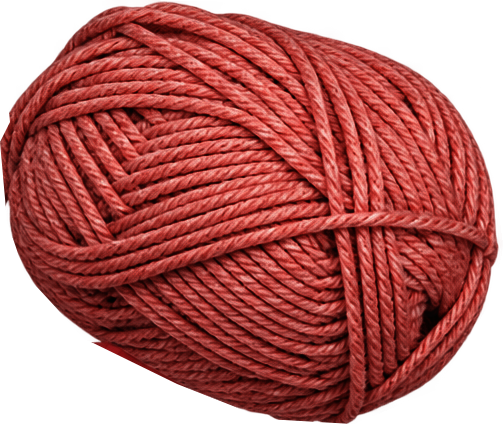
- Yarn: A lightweight to medium weight yarn works best for most crochet flowers patterns. Cotton blends offer structure and hold their shape well, while wool or acrylic blends provide softness and warmth. For a winter palette, consider cream, ivory, soft gray, or pale blue tones.
- Hook: A hook size appropriate for your chosen yarn weight is essential. Most crochet flowers patterns call for a hook between 3.5mm and 5mm. If you are unsure, check the yarn label for recommended hook sizes.
- Scissors and tapestry needle: For cutting yarn and weaving in ends.
- Stitch markers: Helpful for keeping track of rounds in flower motifs.
- Rigid stem wire or dowels: For assembling the bouquet into a cohesive arrangement.
- Floral tape or glue: To secure stems and attach flowers to your base.
Remember that these are general suggestions. Different crochet flowers patterns may specify different materials, so always read through your chosen pattern before casting on.
Popular Stitch Patterns for Crochet flowers
The world of crochet flowers is rich with pattern possibilities. Some of the most beloved motifs include the classic granny square flower, the spherical bobble bloom, the layered petal circle, and the elegant rose stitch. Each creates a distinctly different texture and visual effect, which is why mixing a few types within a single bouquet can look absolutely enchanting.
The granny square flower is often the first crochet flowers motif beginners try because it is straightforward and forgiving. It works up quickly and can be made in any size by adjusting the number of rounds. The bobble stitch creates a fuller, more rounded bloom that mimics the look of a peony or ranunculus, making it a favorite for lush arrangements. Layered petal circles, where you stitch individual petals in concentric rings, produce a delicate, flat flower perfect for wreaths and garlands.
I encourage you to experiment with several stitch types as you work through crochet flowers projects. Each technique teaches you something new about tension, rhythm, and how yarn behaves under different stitch combinations.

Step-by-Step: Building Your Winter Bouquet of Crochet flowers
Once you have your materials ready and a few motifs stitched, it is time to assemble your winter bouquet. This part is truly where the magic happens, because you get to watch a collection of individual pieces come together into something cohesive and beautiful.
Start by deciding on the overall shape of your arrangement. A traditional bouquet is round and full, but you could also create a cascading design or a tight, elegant posy. Lay your crochet flowers out on a flat surface before attaching them so you can visualize the color balance and spacing. Think about placing taller blooms in the center and shorter ones toward the edges for a layered effect.
When you are happy with the layout, begin securing each flower to the stem wire or dowel using floral tape or a dab of waterproof glue. Work from the outside inward, gently wrapping tape around the stems as you go. For a winter bouquet, consider adding some greenery between the flowers, such as crocheted leaves in deep green or silver-gray tones, to give the arrangement a more natural feel.
Styling and Display Ideas for Crochet flowers
Your finished crochet flowers winter bouquet deserves a worthy home. There are so many creative ways to display it beyond a traditional vase. You could place it in a ceramic pot wrapped with burlap, drape it across a mantlepiece, or position it beside a candle arrangement on a dining table. I especially love the idea of hanging a crochet flowers wreath on a door or wall, which brings a cozy, handcrafted warmth to any entryway.
For an extra seasonal touch, tuck in some dried oranges, cinnamon sticks, or sprigs of artificial pine among the blooms. These natural accents complement the handmade quality of crochet flowers and enhance that wintry, cozy atmosphere many of us love during the colder months.

Common Mistakes to Avoid with Crochet flowers
Even experienced crocheters encounter a few hiccups when working on crochet flowers projects. One of the most common issues is uneven tension, which can cause individual flower motifs to look different in size and shape. If you notice this happening, try slowing down and paying closer attention to how tightly or loosely you are pulling each stitch. Practice a few test motifs before starting your bouquet so you can find your rhythm.
Another frequent mistake is choosing yarn that is too soft or slippery, which can make intricate stitches difficult to control. For crochet flowers, a yarn with a bit of body and grip will give you cleaner definition in your petals and leaves. Cotton and cotton blends are excellent choices for this reason.
Finally, do not skip the blocking step if your pattern recommends it. Blocking crochet flowers after they are stitched helps even out the shape, opens up the stitch pattern, and gives each bloom a polished, finished look that elevates the entire bouquet.
Finding Inspiration and Patterns for Crochet flowers
If you are looking for additional ideas and patterns to fuel your crochet flowers journey, there is a wonderful community of makers sharing their creations online. I have particularly enjoyed exploring collections of seasonal bouquets, such as the Crochet flowers, Autumn Bouquet, which showcases how different color palettes and stitch choices can dramatically change the mood of an arrangement. Comparing autumn and winter crochet flowers themes can spark exciting ideas for your own seasonal projects.
Another excellent resource to browse is Crochet flowers, Summer Bouquet, which features bright, airy blooms that demonstrate the versatility of crochet flowers across all seasons. Even if you are focused on winter arrangements, studying how others build their bouquets with different color stories and textures can broaden your creative perspective and help you design something truly your own.
Frequently Asked Questions about Crochet flowers Winter Bouquet
What yarn weight is best for crochet flowers? Most crochet flowers patterns work well with sport weight or worsted weight yarn. Heavier yarns create larger, bolder blooms, while lighter yarns produce dainty, delicate flowers. Experiment to find the weight that suits your vision.
How long does it take to make a crochet flowers bouquet? This depends entirely on the complexity of your chosen patterns and your experience level. A simple bouquet with basic motifs might take an afternoon, while a more elaborate arrangement with layered flowers and greenery could span several evenings.
Can beginners make crochet flowers? Absolutely. Many crochet flowers projects use only basic stitches like chain, single crochet, and double crochet. Start with a simple granny flower pattern and gradually work your way up to more advanced motifs.
How do I wash crochet flowers? Since crochet flowers are decorative and not meant for frequent handling, a gentle spot clean with cool water and mild soap is usually sufficient. Lay flat to dry to preserve their shape.

Final Thoughts on Creating a Crochet flowers Winter Bouquet
Crafting a winter bouquet from crochet flowers is one of those projects that rewards patience and creativity with something truly special. Every petal you stitch carries a bit of your time, your choices, and your imagination, and when those pieces come together, the result is far more than just decoration. It is a reflection of your skill and your desire to bring beauty into the world, even during the grayest months.
I hope this guide has given you the confidence and inspiration to start your own crochet flowers winter bouquet. Gather your yarn, pick up that hook, and let the rhythm of stitching carry you into a season of warmth and color. The flowers you create will last far longer than any fresh bloom, and every time you look at them, you will remember the joy of making something beautiful with your own hands.