
Crochet flowers, Autumn Bouquet

Why Crochet Flowers Shine in Autumn
There is something deeply satisfying about working with your hands to create crochet flowers that capture the warmth and richness of autumn. Every year as the leaves begin to shift from green to gold, amber, and deep rust, I find myself drawn to projects that reflect those gorgeous earthy tones. A crochet flowers autumn bouquet gives you the beauty of a seasonal arrangement without the wilting, the watering, or the limited lifespan of fresh blooms.
Autumn is arguably the most rewarding season for crocheting flowers because the color palette practically chooses itself. Think warm burgundies, rich ochres, burnt sienna, deep mustard, and soft cream. These are the colors that make a crochet flowers arrangement feel like it belongs on a rustic wooden table, a mantlepiece, or tucked into a ceramic vase on a cozy afternoon. The best part is that once you have finished your crochet flowers, they will look beautiful for years to come.
Whether you are an experienced crocheter looking for a new seasonal project or a beginner eager to try something with a bit more shape and dimension, crochet flowers offer a wonderful middle ground. They require more attention than a simple scarf but are far less intimidating than a full garment. Each flower becomes a small, satisfying project you can work on during quiet moments, and together they form a cohesive autumn arrangement that feels genuinely handmade.
Selecting Yarn and Materials for Your Crochet Flowers
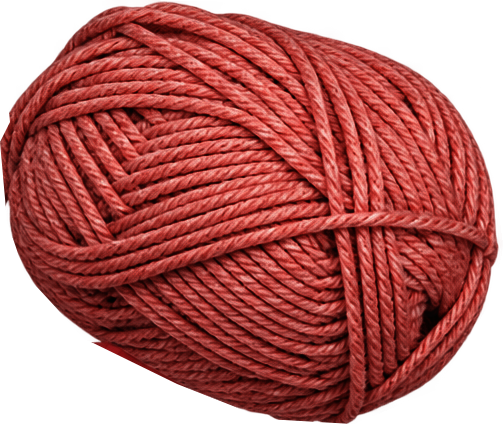
The foundation of any beautiful crochet flowers project starts with the right yarn. For an autumn bouquet, I gravitate toward medium-weight yarns, sometimes labeled as worsted weight or aran weight, because they give the flowers a lovely body and structure without being too bulky or too delicate. A yarn weight that falls in the range of 4 to 5 on the standard labeling system tends to produce petals with enough drape to look natural while maintaining the shape you need for a finished arrangement.
When it comes to fiber content, cotton and acrylic blends work wonderfully for crochet flowers because they hold their shape well and resist stretching over time. Cotton in particular gives a slight stiffness that mimics the texture of real flower petals, which is especially effective for roses and layered blooms. If you want a softer, more romantic feel, a wool or wool blend adds a gentle fuzziness that can make your crochet flowers look almost painterly.
For hook size, a general rule of thumb with medium-weight yarn is to use a hook between 5mm and 5.5mm. This gives you a fabric that is dense enough to hold its form but not so tight that the petals lose their gentle curve. Of course, your tension matters enormously here, so it is always wise to make a small test swatch before committing to a full flower.
As for color selection in an autumn bouquet, I recommend building a palette around three to five core tones. A base cream or ivory works beautifully as a unifying element, while deeper tones like chocolate brown, forest green, and muted terra cotta add depth and visual interest. Having a few variegated yarns in your stash can also introduce lovely subtle shifts in color that make each crochet flowers bloom feel unique.

Essential Techniques for Shaping Crochet Flowers
The magic of crochet flowers lies largely in the techniques you use to shape individual petals and assemble them into blooms. Most autumn flowers are built using a combination of basic stitches worked in rounds, with strategic increases and decreases that cause the fabric to curve and cup into a petal shape. Single crochet and double crochet are the workhorses here, but the real secret is in how you manipulate tension and stitch placement.
To create realistic petals, I often work in decreasing circles, starting from the outer edge and spiraling inward. This produces the natural cupping effect you see in real flower petals. For tighter, more concentrated blooms like mini roses, working in continuous rounds with slight increases gives the flower a dense, layered look. Looser stitches and larger hooks produce a more open, airy flower that suits daisies or wildflowers in your arrangement.
Blocking is another technique that elevates your crochet flowers from craft project to finished art piece. Once you have crocheted each individual flower, pinning them to a shaped form and lightly steaming them allows the petals to settle into their final shape. This step is especially important if you have used a yarn with some natural memory, as it helps the flower hold its intended silhouette rather than rolling back into a flat disc.
For those who want to experiment, consider mixing stitch textures within a single flower. A base layer worked in half double crochet can provide a sturdy foundation, while an outer layer of shell stitches or picot edges adds an ornamental quality that makes your crochet flowers look intricate and intentional. These variations also give you a great way to use up leftover yarn from other projects.

Assembling Your Autumn Bouquet
Once you have crocheted a collection of individual blooms, the real joy begins in assembly. This is where your arrangement comes to life, and it is the stage where you can really exercise your creative instincts. Start by laying your flowers out on a flat surface and experimenting with different groupings. Pay attention to scale, color flow, and the visual weight of each bloom.
For a classic autumn bouquet, I like to use a combination of large statement flowers and smaller accent blooms. Think of it as designing a floral arrangement the way a florist would, with focal flowers taking center stage and filler blooms adding fullness between them. A few leaves worked in a contrasting green can add wonderful structure and help bridge the visual gap between different colored flowers.
To attach the flowers to each other, a simple method is to use a yarn needle and sew through the base of each bloom, joining them together with a few secure stitches of matching yarn. If you want your bouquet to have a sturdy base for displaying in a vase or container, consider crocheting a short tubular base or a small doily-style bottom layer that sits beneath the flowers. This hidden foundation keeps everything stable and gives the arrangement a polished finish.
If you have followed a pattern from an earlier project, such as the guide for Crochet flowers, Summer Bouquet, you will already have a solid foundation for flower assembly techniques that transfer beautifully to an autumn palette. The principles of grouping, spacing, and attaching blooms remain consistent regardless of the season, which makes your crochet skills endlessly adaptable.
Another lovely touch for an autumn arrangement is to add a crocheted wrap or ribbon around the stems. A narrow band of coordinating yarn, worked flat and then wrapped around the stem bundle, gives the bouquet a finished, professional look. You can secure it with a few stitches and even weave in a small crochet leaf or two at the point where the wrap meets the blooms.

Display Ideas and Care Tips for Your Crochet Flowers
A handmade crochet flowers arrangement deserves to be shown off, and the good news is that these blooms are remarkably versatile when it comes to display. A tall ceramic vase on a dining table instantly elevates a autumn crochet bouquet and creates a warm, inviting centerpiece for entertaining. Alternatively, placing your bouquet in a woven basket or a rustic metal container adds to the seasonal charm.
For a more unconventional display, consider attaching your crochet flowers to a wreath form made from a sturdy yarn base. This transforms the arrangement into wall art that can be admired year-round. The wreath approach also works beautifully as a seasonal door decoration or a mantlepiece accent, and it is an excellent way to showcase the full scope of your crochet flowers project.
In terms of care, crochet flowers are remarkably low maintenance. They do not require water, sunlight, or any special handling beyond occasional dusting. A soft brush or a can of compressed air can remove dust from between petals without disturbing the shape. If you notice any flattening over time, a quick session of steaming and pinning will restore the original form.
Because crochet flowers are made from synthetic or natural fibers, they are also resistant to the things that plague real flowers: mold, wilting, and fading from direct sunlight. This makes them an excellent choice for rooms with limited natural light or for anyone who loves the look of fresh flowers but deals with allergies. Your crochet flowers will look just as vibrant months or even years after you finish them.
Frequently Asked Questions
What yarn weight is best for crochet flowers?
Medium-weight yarn, often labeled as worsted or aran weight, is the most popular choice for crochet flowers because it offers a good balance of structure and drape. Thinner yarns like lace or fingering weight can work for very delicate flowers but may lack the body needed for a full bouquet. Heavier yarns like bulky or super bulky can be used for oversized statement blooms but require larger hooks and more yarn.
How many flowers do I need for an autumn bouquet?
This depends on the size of your arrangement and the scale of each flower. A medium-sized bouquet typically includes anywhere from twelve to twenty individual blooms, depending on whether they are large statement flowers or smaller accent blooms. It is always better to crochet a few extra flowers so you can adjust the arrangement as you assemble it.
Can beginners make crochet flowers?
Absolutely. While some patterns require intermediate skills, many crochet flowers are built from basic stitches like chain, single crochet, and double crochet. Beginners who are comfortable working in rounds can successfully create lovely flowers, and the process is a wonderful way to build confidence and practice shaping techniques.
Bringing Your Autumn Vision to Life
A crochet flowers autumn bouquet is more than just a craft project, it is a way to bring the warmth and beauty of the season into your home through the language of handmade art. Every petal you work, every color you choose, and every flower you assemble carries a little bit of your creative energy, and that is what makes the final arrangement truly one of a kind.
I encourage you to start simple if this is your first time working with crochet flowers. Choose two or three colors, practice the basic petal shapes, and let yourself learn as you go. The beauty of this craft is that it rewards experimentation, and even your first attempts will result in something you can be proud of displaying.
Once you have mastered the basics, let yourself explore more complex stitch patterns, varied petal shapes, and unexpected color combinations. Your crochet flowers will grow more sophisticated with each project, and before long you will have a collection of seasonal arrangements that reflect your evolving style and skill.
Grab your yarn, pick up your hook, and let the autumn colors guide your hands. There is nothing quite like the feeling of filling your home with flowers you made yourself.
For another seasonal take on flower bouquets, you may also enjoy the guide for Crochet Flower Crochet Spring Bouquet, which explores how the same techniques adapt beautifully to spring palettes and lighter blooms.