
Crochet amigurumi, Koala

Introduction to Crochet Amigurumi
There is something truly magical about holding a small, handmade creature in your hands, knowing that every single stitch was placed with care and intention. That is the beauty of Crochet amigurumi — the Japanese art of knitting or crocheting small, stuffed yarn creatures. From bears and bunnies to koalas and whales, amigurumi has captured the hearts of crafters around the world, and for good reason. The koala amigurumi pattern is one of my personal favorites because it is forgiving for beginners yet rewarding enough for experienced makers.
If you have ever wanted to try your hand at amigurumi, the koala is a wonderful starting point. Its round body, fuzzy ears, and sweet face make it an incredibly charming project, and the construction is straightforward enough that even a confident beginner can complete it in a single sitting. Whether you are looking for a weekend project, a handmade gift, or simply a way to unwind after a long day, this guide will walk you through everything you need to know.
Choosing the Right Yarn and Hook for Your Amigurumi
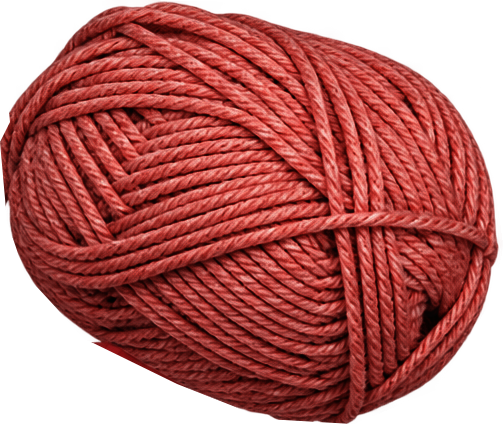
One of the most important decisions you will make when starting any Crochet amigurumi project is selecting the right yarn and hook combination. Amigurumi works best with medium-weight yarns, often referred to as worsted weight or weight 4, because they create a dense, well-defined fabric that holds its shape when stuffed. Too thin a yarn and your piece will look delicate and limp; too bulky and the details of your koala's face and ears may get lost.
For a classic koala look, I recommend using a soft acrylic or cotton blend yarn in gray or brown tones. These materials are widely available, affordable, and easy to work with, making them ideal for both first-time amigurumi makers and seasoned crocheters experimenting with new patterns. As for the hook size, check the label on your yarn for a suggested hook size — typically, a 4.0mm to 4.5mm hook works well with worsted-weight yarn for amigurumi.
Always remember that gauge matters in amigurumi more than almost any other crochet project. Because these toys are stuffed, tight, even stitching is essential. If your gauge is too loose, the stuffing will show through and the toy will not hold its shape. I suggest making a small swatch and stuffing it with scrap material to test your tension before diving into the full pattern.
Essential Stitches and Techniques for Amigurumi
The foundation of nearly every Crochet amigurumi project rests on a few key stitches and techniques. The single crochet is the workhorse of amigurumi, providing the tight, compact fabric that gives stuffed toys their structure. You will also rely heavily on the magic ring technique, which allows you to start your circles without leaving a hole in the center — a crucial detail when making small, rounded shapes like a koala's head or body.
Increasing and decreasing stitches are equally important. Increases shape the head, the ears, and the limbs, while decreases create the gentle tapers that define limbs and close openings for stuffing. The invisible decrease is a particularly useful technique in amigurumi because it creates a smoother, less visible seam than a standard decrease. If you are new to this technique, practice it on a small swatch until it feels comfortable in your hands.
Another technique worth mastering is working in continuous rounds rather than joining at the end of each round. This method creates a smoother, uninterrupted surface that is perfect for the curved shapes of a koala amigurumi. Just be careful not to twist your stitches as you work, as even a small mistake can affect the overall shape of your finished toy.
How to Crochet a Koala Amigurumi Step by Step
Now let us get into the exciting part — actually making the koala. A typical Crochet amigurumi koala pattern begins with the body, which is worked as a simple oval or sphere shape using single crochet stitches in continuous rounds. Start with a magic ring, work your increases to establish the base, and then continue in straight rounds until the body reaches the desired length.
The head is usually the next piece to be worked, and it is essentially a larger sphere with a slightly more pronounced dome to give the koala its characteristic cute profile. Ears are worked as flat, slightly curved pieces and are typically attached later in the assembly process. Arms and legs are small, tubular shapes that require careful increasing and decreasing to achieve the right proportions.
When working on a koala amigurumi, pay special attention to the face details. Many patterns call for embroidered eyes, a small nose, and perhaps even little eyebrows to give your koala personality. Safety eyes are a popular choice for amigurumi toys, especially if they will be handled by children, but embroidery gives you more control over the expression and style of your finished piece.
Stuffing is where patience truly pays off. Use polyester fiberfill and stuff each piece firmly but not so tightly that the stitches distort. Work the stuffing into the limbs and ears first, then move to the body and head. A blunt tapestry needle and a chopstick can be very helpful for reaching into tight spaces.

Finishing Touches and Assembly Tips
Assembling your koala amigurumi is the most satisfying part of the entire process. Once all your pieces are stitched and stuffed, you will need to sew the head to the body, attach the ears, and join the limbs. Use a yarn needle and a matching or contrasting yarn to whipstitch the pieces together securely. Take your time with this step — a neat seam will make a noticeable difference in the final appearance of your toy.
For the face, I recommend embroidery over safety eyes for the classic koala look, as it gives you the flexibility to create a more natural and expressive face. Use a contrasting yarn color for the nose and carefully stitch the eyes using an backstitch or french knot technique. These small details transform a simple gray ball into an unmistakable koala that will melt anyone who sees it.
Do not forget the little touches that make your amigurumi truly unique. A tiny bow around the neck, a knitted or crocheted pouch held in the koala's arms, or even a small tree branch attached to the base can turn a simple toy into a complete diorama. These finishing details are entirely optional but they elevate the project from a basic pattern to a heartfelt creation.
If you are gifting your koala, consider wrapping it in a soft tissue or placing it in a small gift box. Amigurumi toys make wonderful presents for birthdays, baby showers, and holidays, and the personal touch of handmade work is something that recipients truly treasure.
Common Mistakes and How to Fix Them
Even experienced crocheters run into challenges when working with Crochet amigurumi. One of the most common mistakes is inconsistent tension, which can cause parts of your koala to be tighter or looser than others, leading to an uneven shape. The best way to avoid this is to maintain steady, relaxed tension throughout every round and to check your work frequently against your pattern notes.
Another frequent issue is incorrect stitch counts. In amigurumi, even a single missed stitch can throw off the entire shape of a piece. Counting your stitches at the end of each round and marking your progress with stitch markers can save you from a frustrating correction later on. If you do discover a mistake, do not panic — you can usually rip back a few rounds and rework them without starting completely over.
Stuffing too early or too aggressively is another pitfall. If you stuff your pieces before they are fully stitched, the filling can push through gaps in your work. And if you stuff too tightly, the stitches may pucker or distort. Stuff gradually, add small amounts at a time, and stop when the piece feels firm but still has a little give.
More Amigurumi Inspiration
If you enjoy working with Crochet amigurumi and are looking to expand your collection beyond the koala, there are so many wonderful patterns and creatures to explore. If you loved this project, you might also enjoy trying the Crochet amigurumi, Panda pattern, which offers a similarly adorable and approachable project with its distinctive black-and-white markings. For another charming option, the Crochet amigurumi, Bear pattern is a timeless favorite that makes a wonderful companion piece to your koala.
Exploring different animals and styles is one of the greatest joys of amigurumi crafting. Each creature teaches you something new about shaping, proportion, and facial expression, and every completed toy adds to the sense of accomplishment that comes with mastering this beautiful craft. Whether you make one koala or an entire zoo full of stuffed friends, the process of creating something warm and tangible from a simple skein of yarn is endlessly satisfying.
I hope this guide has given you the confidence and inspiration to start your own Crochet amigurumi koala project. Grab your yarn, pick up that hook, and let your creativity take shape one stitch at a time. Happy crocheting!
